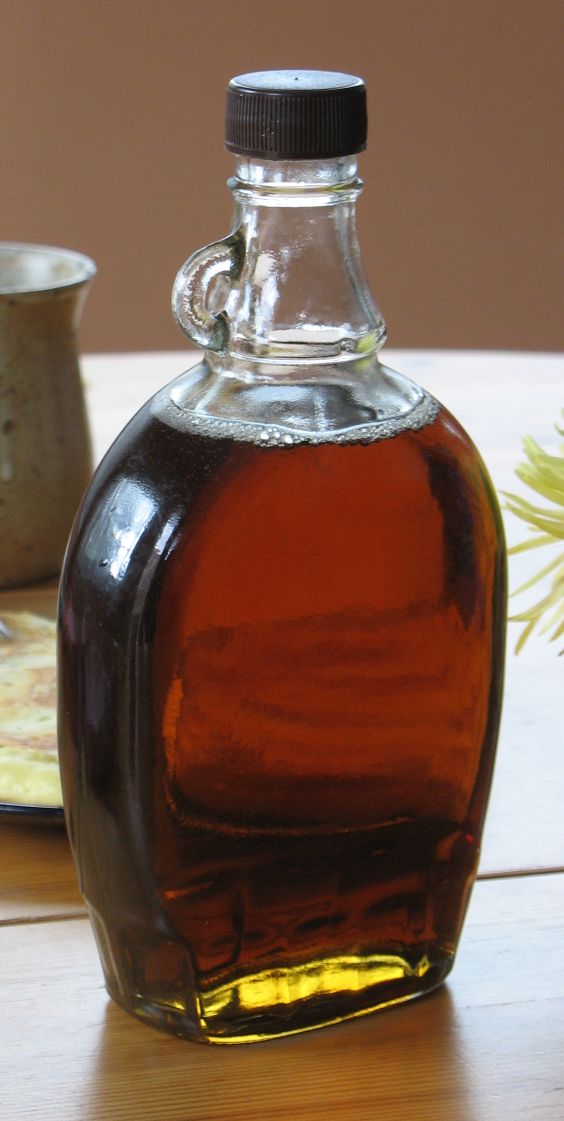
Tapping Schedules for Canadian Maple Trees
Freeze-thaw cycles, regional timing windows, and how sap flow rates vary across Ontario, Quebec, and the Maritimes.
Read articlePractical knowledge on tapping schedules, sap sugar concentration, and evaporator efficiency for backyard and small commercial operations across Canada.

Articles
Detailed guides on the science and practice of maple syrup production in Canadian conditions.
Freeze-thaw cycles, regional timing windows, and how sap flow rates vary across Ontario, Quebec, and the Maritimes.
Read article
How to measure sugar content in raw sap, what Brix readings mean for boiling ratios, and factors that affect sweetness across the season.
Read article
Comparing pan types, fuel sources, and evaporation rates. How to calculate your operation's syrup yield per cord of wood or per gallon of propane.
Read articleAbout This Site
CoastAndPine covers the technical side of maple syrup production — from sugar bush conditions to boiling math — focused on Canadian climate and geography.
Canadian maple country spans several distinct climate zones. Timing your taps correctly depends on soil temperature, elevation, and historical frost patterns in your specific region.
The sugar content of raw sap varies from roughly 1% to 4% depending on tree species, season timing, and stand conditions. Understanding Brix helps predict your boiling workload.
A flat pan evaporator and a flue pan operate on fundamentally different surface area principles. Knowing the difference determines whether your setup is sized correctly for your sap volume.
Canada follows a national grading system that replaced the old provincial systems. Grade A now covers the full colour spectrum from Golden to Very Dark, with associated flavour descriptors.
Contact
Questions about maple production topics or site content? Use the form below.