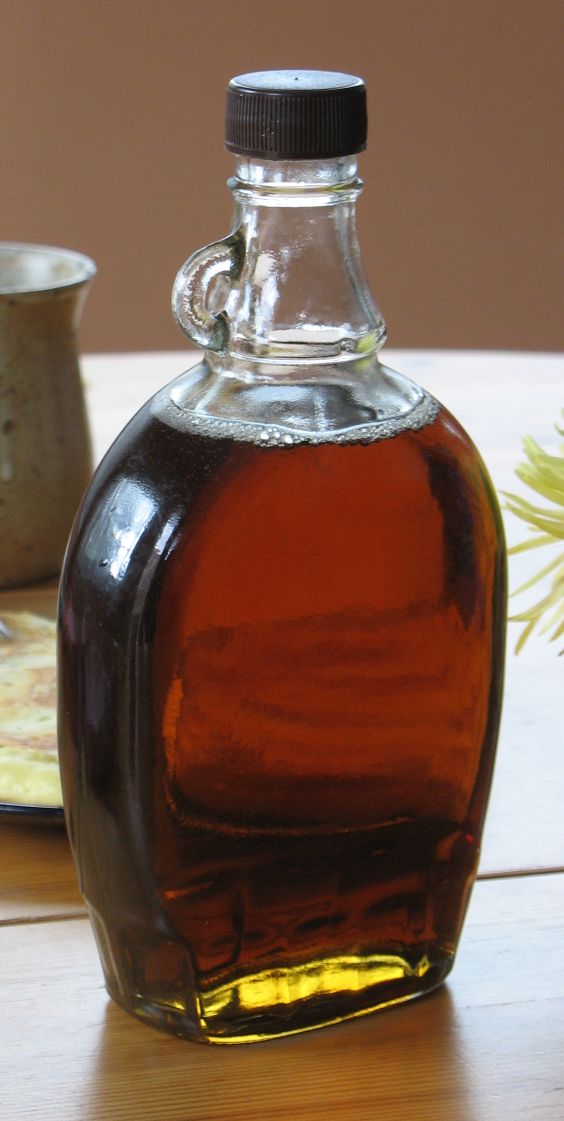
Maple sap flows when temperatures fluctuate around freezing — below at night, above during the day. This temperature pattern triggers pressure changes inside the tree that push sap out through a tap hole. Getting the timing right is the central challenge of sugar bush management, and in Canada the window varies significantly by region, elevation, and year.
The Physiology Behind Sap Flow
Sugar maple (Acer saccharum) stores starch in its sapwood through the autumn. During winter, that starch converts to sucrose. When spring temperatures begin cycling above and below 0°C, the tree's internal pressure changes: warmth causes gas expansion inside wood fibres, pushing sap toward the tap. Cold nights reset the cycle by drawing sap back up and rebuilding pressure.
This mechanism — sometimes called the stem pressure model — operates independently of root pressure. It is specific to certain maple species and a handful of other deciduous trees, which is why sugar and red maples are the primary commercially tapped species in Canada.
Key Condition
Sap runs best when daytime temperatures reach 4–7°C and nighttime temperatures drop to -5°C or below. Days without freezing nights produce little or no flow.
Regional Timing Windows Across Canada
Canada's maple-producing regions span a wide range of latitudes and microclimates, meaning tap timing differs considerably depending on where an operation is located.
Quebec
Quebec accounts for the largest share of Canada's maple syrup production by volume. The Laurentian highlands and Estrie region typically see tapping begin in late February or early March in lower-elevation stands, and extending into April at higher elevations. The season in much of Quebec runs three to five weeks, though this varies year to year.
Ontario
Operations in southern Ontario — Grey County, Haliburton, and the Kawartha Lakes area — generally tap in late February through early March. The season is often slightly earlier than comparable Quebec operations at the same elevation because of proximity to the Great Lakes, which moderate temperatures. Further north, near Algonquin Park, tapping runs later, often into mid-March.
New Brunswick and Nova Scotia
Maritime producers face a shorter and sometimes less predictable season. Coastal proximity moderates extreme cold but can produce inconsistent freeze-thaw cycles. The tap window typically falls in March, with some years compressing the season to as little as two weeks of reliable flow.
British Columbia
Bigleaf maple (Acer macrophyllum) is the primary species tapped in BC, and its season is distinct from eastern operations. Flow often occurs earlier — sometimes in January or February in lower-elevation coastal areas — and the sugar content of bigleaf sap tends to be lower than sugar maple, requiring more boiling to reach syrup density.
Identifying the Right Time to Tap
No fixed calendar date reliably predicts when to tap. Operators use a combination of:
- Weather forecasts: Look for at least three to five consecutive days with the freeze-thaw pattern before installing taps. Installing too early in frozen ground can reduce tap hole quality.
- Soil temperature: When soil at 10 cm depth is still solidly frozen, sap flow typically has not started. Partial thaw at depth often precedes the first runs.
- Neighbouring operations: Small operators in the same valley or township share observations informally. This local knowledge reflects elevation and microclimate conditions that weather station data may miss.
- Tree bud condition: Once buds begin swelling visibly, the syrup quality begins to decline. Sap continues to flow but produces darker, more strongly flavoured syrup. Most operations remove taps before full bud break.
Tap Hole Placement and Spacing
The standard tap hole in Canada is drilled at 5/16 inch (8 mm) diameter to a depth of 4–5 cm into living sapwood. Larger holes (7/16 inch) were common with older metal spouts but are no longer recommended because they cause more wounding and take longer to seal.
Taphole placement should avoid wounded wood from previous seasons. New taps should be positioned at least 15 cm from a prior tap scar — either to the side or above it. Most provincial guidelines recommend no more than one tap per tree on trunks under 25 cm diameter, two taps on trunks between 25 and 45 cm, and a third tap only on trees above 45 cm diameter.
| Trunk Diameter | Maximum Taps | Notes |
|---|---|---|
| Under 25 cm | 1 | Young or stressed trees; monitor carefully |
| 25–45 cm | 2 | Standard for productive stand trees |
| Over 45 cm | 3 | Only for visibly healthy, large trees |
Vacuum Systems vs. Gravity Collection
Gravity bucket or bag collection works for small backyard operations with fewer than 50 taps. For operations moving toward commercial scale, vacuum tubing systems increase sap yield per tap by maintaining negative pressure in the line, which draws sap more continuously rather than waiting for positive pressure events.
Vacuum tubing requires an initial capital investment in lines, fittings, and a releaser-pump combination. In many Quebec operations, vacuum levels of 20–25 inches of mercury are common on tubing systems. At these pressures, yields per tap can be two to three times higher than gravity-collected systems under comparable weather conditions, according to research cited by the International Maple Syrup Institute.
End of Season Indicators
The season ends when one or more of the following occur:
- Nighttime temperatures consistently stay above freezing
- Sap takes on a milky appearance or develops an off smell
- Buds have broken and small leaves are visible
- Syrup produced has an undesirable "buddy" flavour
At this point, taps should be removed. The holes will seal naturally over the growing season. Leaving taps in past the season serves no benefit and may increase the risk of bacterial colonization in the wound.
Further Reading
For regional tapping recommendations specific to your province, Agriculture and Agri-Food Canada's maple production resources and the International Maple Syrup Institute (IMSI) publish updated guidelines. Ontario's Ministry of Agriculture, Food and Rural Affairs (OMAFRA) maintains a maple production factsheet series available through their public extension website.